

Stratum Global Risk - Travel Risk Management Insights
Expert analysis and operational perspectives on the risks shaping international travel and business. Explore travel risk management, medical and security assistance, crisis response, operational resilience and developments affecting organisations and travellers across the Middle East and globally.
About Our Insights
The travel risk management insights provided by Stratum Global Risk include analysis, commentary and and practical guidance covering travel risk management, medical and travel assistance, evacuation and crisis response planning and security issues affecting internationally mobile organisations and people.
Our articles focus particularly on the Middle East, helping organisations understand emerging risks, regional developments and best practice for protecting people travelling internationally. Whether you are responsible for corporate travel, security, resilience or duty of care, out insights are designed to informative and support operational decision making.
Beyond Insights
Our Insights provide analysis and expert perspectives on the issues shaping international travel. The Stratum Global Risk Travel Risk Hub goes further, providing practical information and resources to help organisations and travellers understand destinations, prepare for international travel and manage risk more effectively.
Explore our Country Travel Risk Guides for destination-specific information covering security, health, entry considerations, local conditions and practical travel advice across the Middle East and internationally.
Our Travel Resources section provides practical guidance on wider travel risk management topics, from preparing for business travel and understanding duty of care to medical assistance, travel security, crisis preparedness and responding when something goes wrong overseas.
Together, the Travel Risk Hub and our Insights provide a growing source of practical travel risk information for organisations, travel managers and internationally mobile people.

Travel Assistance for Hajj and Umrah Operators
Hajj and Umrah operators manage far more than flights and accommodation. When travellers become ill, require hospital care, become separated from the group or face travel disruption, structured assistance can provide the coordination, communication and support needed to protect traveller welfare.

Medical Evacuation Is More Than a Flight: What a Successful Evacuation Actually Requires
A successful medical evacuation is a continuous patient transfer involving clinical assessment, aviation planning, ground transport, hospital acceptance and coordinated oversight.

Iraq After the US Withdrawal: What the Changing Security Environment Means for Business
The US military mission in Iraq has ended, but the country’s security challenges have not. With the PMF disarmament process extended to June 2027, reduced US air defence and intelligence capabilities, continued ISIS activity and growing regional tensions, businesses operating in Iraq are entering a new security environment.

When Risk Becomes Content: Social Media, Dark Tourism and Travel Risk
Social media has made even high-risk destinations look accessible. We examine the growing influence of travel content, dark tourism and the importance of understanding the real risk behind the journey.
Saudi Arabia, Yemen and the Red Sea: Implications for Business Travel and Regional Operations
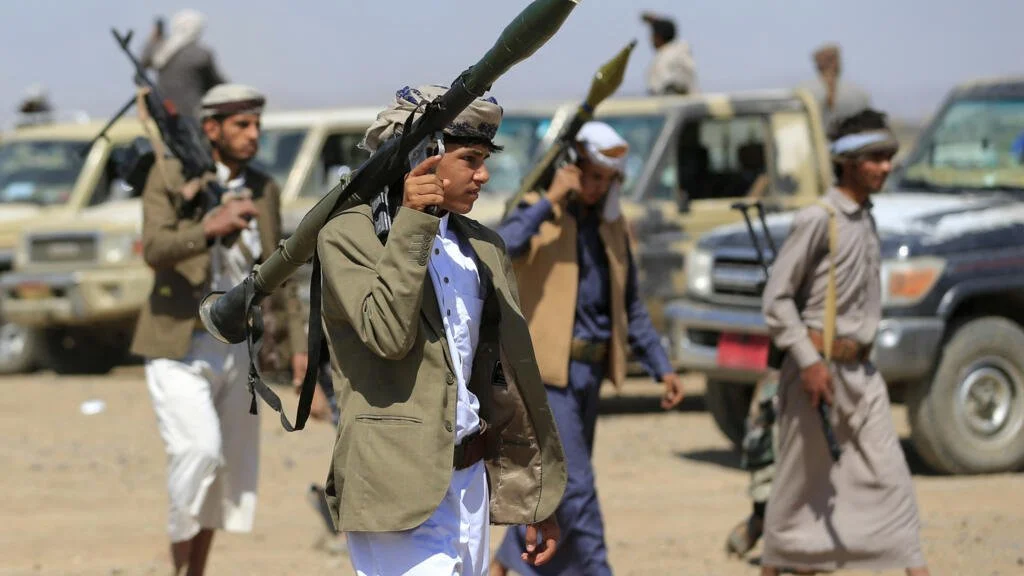
The security environment around Saudi Arabia, Yemen and the Red Sea is evolving rapidly. Renewed fighting inside Yemen, attacks affecting Saudi Arabia and growing international military support are creating wider implications for business travel, aviation, employee movement and regional operations.
Why Capacity-Building Programmes Fail After the Trainers Leave
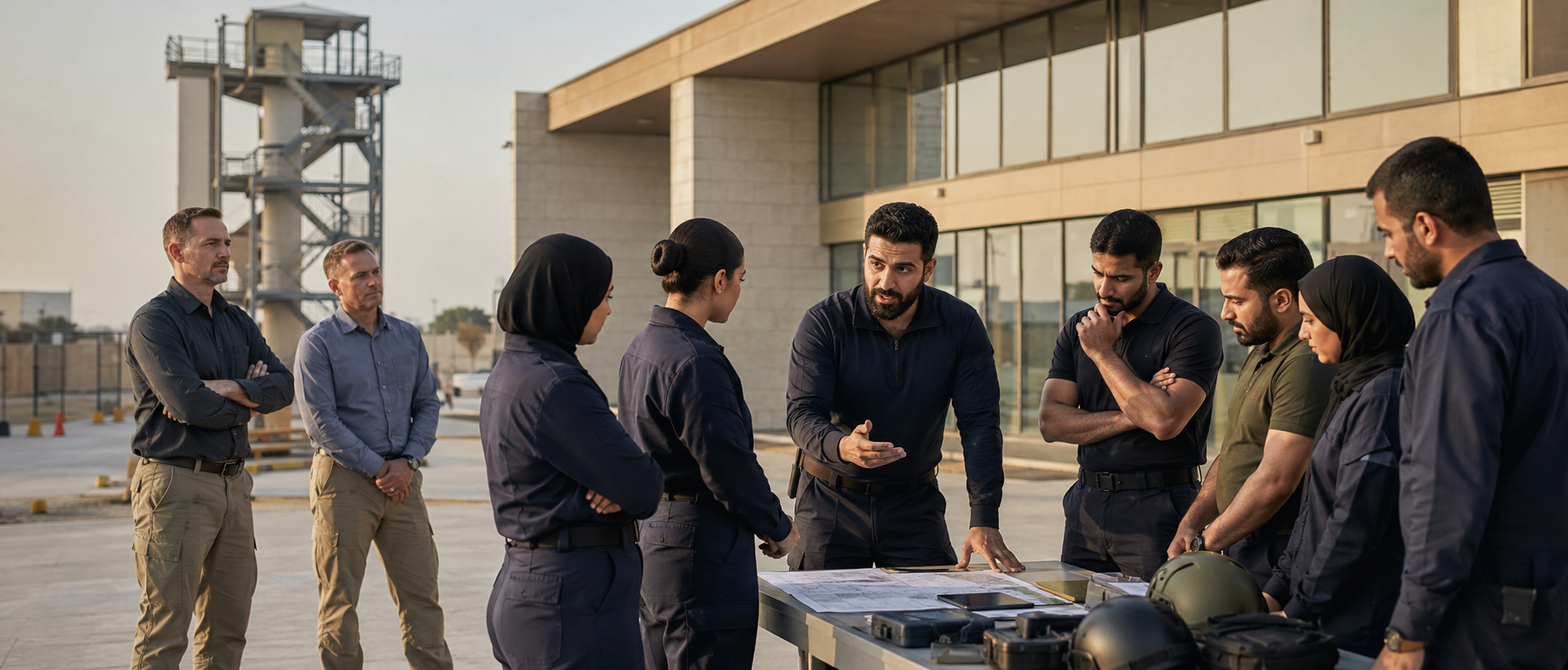
Training can improve individual skills, but sustainable capacity only exists when the institution can maintain standards, develop instructors and continue improving without external dependence.

Managing Business Travel Risk Across the GCC
Business travel across the GCC is generally supported by strong infrastructure, extensive aviation connectivity and established healthcare systems. But operating conditions differ significantly between markets, and regional disruption can affect even relatively straightforward journeys.

When Airspace Reopens: Why Travel Risk Does Not Immediately Return to Normal
Reopening an airspace is an important milestone, but airline schedules, capacity and traveller-support arrangements can remain disrupted long afterwards.

Why Family Offices Need a Different Approach to Travel Risk Management
Family offices require a different approach to travel risk management, one that protects principals, relatives and global interests without compromising privacy or flexibility.

Jordan Road Safety: Why Driving Standards Need Urgent Attention
After years of driving across Europe, the Middle East, Africa, Asia and the United States, Stratum Global Risk CEO James Carr argues that Jordan’s road safety problem demands a more honest discussion about driving standards, training and driver competence.

An Embedded Adviser Should Never Operate Alone
An embedded adviser may sit inside the client’s organisation, but should never operate in isolation. Effective support depends on clear authority, continuous monitoring, specialist reach and the ability to turn advice into action.

Syria’s Financial Reconnection: What It Changes for Market Entry and What It Does Not
Syria’s financial reconnection is creating genuine commercial opportunity, but permission to enter the market should not be confused with readiness to operate.

Not Every Traveller Needs HEAT Training
HEAT can be essential preparation for personnel entering hostile or operationally complex environments, but it is not the right answer for every journey. Effective traveller preparation should be based on role, exposure and the realities of the assignment.

From Council to Capability: Building a Red Sea Security Architecture
Renewed momentum behind the Red Sea Council and a new Saudi-led maritime coalition reflects an important shift towards regional ownership. Turning political ambition into an interoperable security capability will require sustained institutional development.

More Than Etiquette: Cultural Awareness as a Travel Risk Control in the Middle East
Cultural awareness is more than good etiquette. It is a practical travel risk control that helps travellers avoid unnecessary exposure and operate effectively across the Middle East.

Stratum Releases the Complete Guide to Corporate Travel Risk Management
Stratum Global Risk has released a free executive handbook to help organisations build and review effective corporate travel risk management programmes.

The Country Rating Is Not the Risk Assessment
Country ratings provide useful context, but they cannot determine whether a particular journey is appropriate. A meaningful business travel risk assessment must consider the traveller, itinerary, purpose, timing and support arrangements.

Technology-Enabled,Human-Led Global Travel Assistance
How Stratum Global Risk combines technology, 24/7 human support and vetted worldwide providers through Global Traveller.

When Heat Becomes an Operational Risk: How Extreme Heat Changes Journey Risk in the Middle East
Extreme heat can change the risk profile of even a routine journey. This guide explains how organisations can adapt routes, vehicles, schedules and contingency arrangements to support safer travel across the Middle East.

Business Travel to Iraq: Why Local Knowledge and Journey Planning Matter
Business travel to Iraq is increasing as investment and reconstruction create new opportunities. Journey planning and travel risk management are essential for operating safely and confidently.